
Classic lashes · Downtown Toronto
A classic set is one fibre bonded to one natural lash, with the length, curl and thickness chosen for that lash. It gives length and a clean, dark line without added density, and it is the usual first set. It takes about two hours at our atelier on Wellington Street West.
- Price
- From $150full set
- Time
- 120 minutes
- Refill
- Every 2 to 3 weeksfrom $70
- Google reviews
- 5.0from 194 reviews
Free consultationFree patch testReschedule up to 24 h before

A classic set at the atelier.
Our work
Classic sets at the atelier
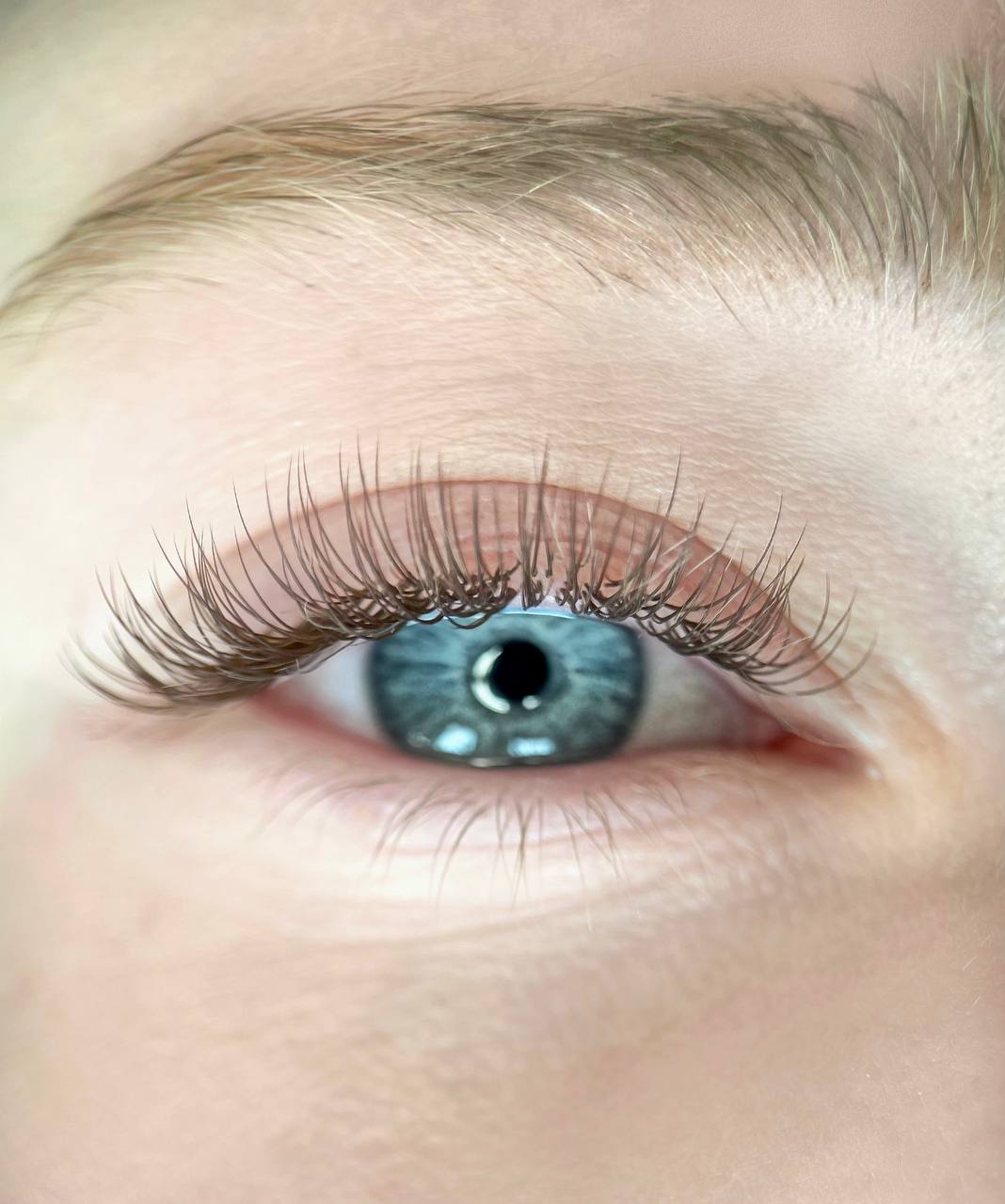
What are classic lash extensions?
In a classic set every natural lash that can carry an extension receives exactly one. Nothing is fanned and nothing is layered. The look comes from the lengths across the eye, the curl chosen for your lid, and a thickness, usually 0.10 to 0.15 mm, matched to the strength of the lash beneath.
Because there is one fibre per lash, the density of a classic set is the density of your own lash line, lengthened and defined.
How much do classic lash extensions cost in Toronto?
At Beautiatelier a classic full set is from $150 and a refill is from $70. The consultation before your first set is free.
Across Toronto, salons that publish a price charge $100 to $165 for a classic full set (four salons' price lists, read on 4 October 2026).
Before tax. A refill costs less the more of the set is left.
Classic or hybrid lashes?
Hybrid keeps single classic fibres for definition and adds small hand-made fans between them for texture and fill. It is fuller and a little more textured than classic. If you want the cleanest, most natural line, classic is the answer. If you want fill or texture, move up one step.
Classic suits
- Lashes that are already full and want length
- Anyone new to extensions
- A look people take for your own lashes
Hybrid or light volume suits
- Sparse lashes: a classic set on sparse lashes looks like sparse lashes with length
- Gaps in the lash line
- Anyone who wants texture
Are classic lashes the most natural set?
Yes, when your own lash line is full. One fibre on one lash follows the density you already have. On sparse lashes a light hybrid can look more natural, because it fills the gaps a classic set leaves visible.
The map matters as much as the set. A doll-eye map puts the longest lengths at the centre of the eye, a cat-eye map moves them toward the outer corner, and both can be drawn in classic. We choose the map for your eye shape at the consultation, not from a photo alone.
What are the drawbacks of classic lashes?
A classic set cannot add density: it lengthens and darkens the lashes you have. And classic is not automatically the lightest set. A single 0.15 mm classic fibre can weigh as much as a fan of three 0.05 mm volume fibres. Lightness comes from choosing the thickness for the natural lash, which is why we decide the weight for each part of the lash line from the lash beneath, not from the name of the set.
How long do classic lashes last?
A classic set is refilled every two to three weeks, as the natural lashes that carry the extensions are replaced. If more than half of a new set is gone inside ten days, the refill is covered by our warranty.
What are lash extensions made of?
A synthetic fibre called PBT. We do not use animal hair: what lash trays call mink or faux mink is PBT drawn to a fine, matte taper, and silk is the same fibre with a glossier finish. Each fibre, or each hand-made fan, is bonded to one isolated natural lash with a cyanoacrylate lash adhesive, 0.5 to 1 mm from the skin.
How do I prepare for my appointment?
Come with clean lashes: no mascara or eyeliner, and no oil-based products around the eyes that morning. Take contact lenses out. If you have reacted to lash adhesive before, book a free patch test 48 hours ahead. Arrive five minutes early: there is no waiting room, so we start on time.
How do I look after classic lashes?
Keep them dry for the first 24 hours. After that, cleanse them every day with a lash foam and keep oil away from the lash line. The care guide has the whole routine, and what shortens the life of a set.
Who will do my lashes?
Brynne Lee, the founder and lead artist, or one of the two artists she trained. Brynne is a five-time certified eyelash artist, twice certified in makeup, and an accredited trainer and educator, with more than eight years in the industry.
Danica and Nazanin bring years of experience and professional training, and both are trained in-house on the Beautiatelier protocol. Their work is checked against it every day, at every appointment, with feedback and a quality check. You can ask for an artist when you book.
Got classic extensions right before moving to Australia, been here for 4 weeks now and the lashes are still going strong
I always get classics/hybrids and they always look so great to the point where people think they are natural.
She’s left my lashes a mystery to everyone, if they’re natural or not haha. I got classics and I love them, will definitely become a regular!
I’m very happy with my full classic set!
Where we are
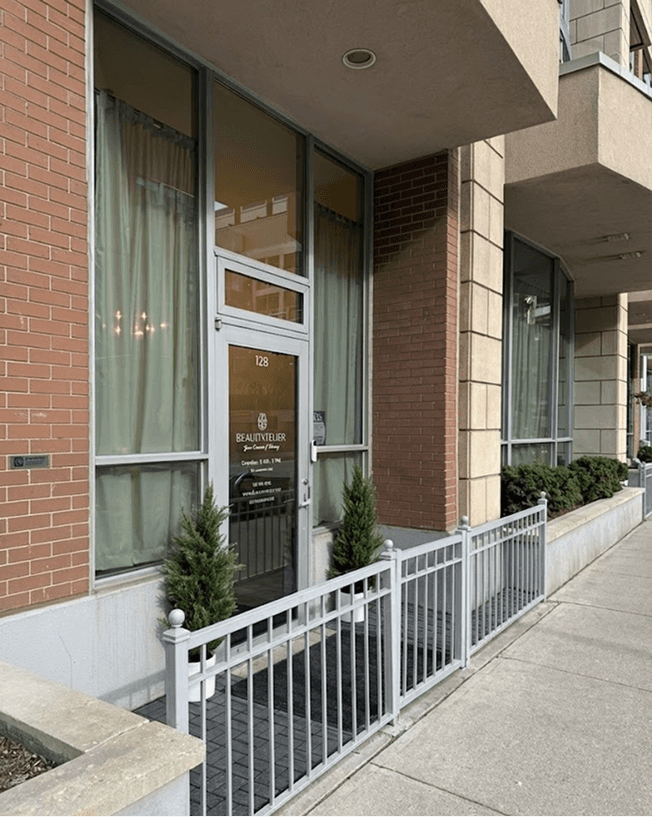
In downtown Toronto, on Wellington Street West
250 Wellington St W, unit 128, at street level between Blue Jays Way and Spadina.
St Andrew station is about a seven-minute walk. The 504 King streetcar stops at Spadina, three minutes away. Union Station is about twelve minutes on foot.
Open 8 am – 8 pm, seven days a week.
More questions before you book
How long does a classic lash set take?
About 120 minutes for a full set, and 45 to 105 minutes for a refill. You lie down with your eyes closed, in a private, safe space. Most people sleep.
Can I wear mascara with classic lashes?
Better not. If you must, use a water-based mascara on the tips only, and never waterproof.
How do I pay?
At the atelier after your set, by cash, e-transfer, or credit or debit card.
Book
Book classic lash extensions in Toronto
From $150, about two hours. The consultation before your first set is free.
Free consultationFree patch testReschedule up to 24 h before
Address
250 Wellington St W #128, Toronto, ON M5V 3P6
Hours
Open 8 am – 8 pm, seven days a week
Directions and parking